Research the play, not the screenshots
We play your build the way a new player would, on the platforms you ship to. We record where we hesitate, misread, or reach for a control that isn't there.
Game interface audit · Online, worldwide
Interfold reviews the parts of your game most teams stop looking at — the HUD, the menus, the inventory, the first ten minutes. You get a written audit, annotated screens, and a ranked list of what to change and in what order.
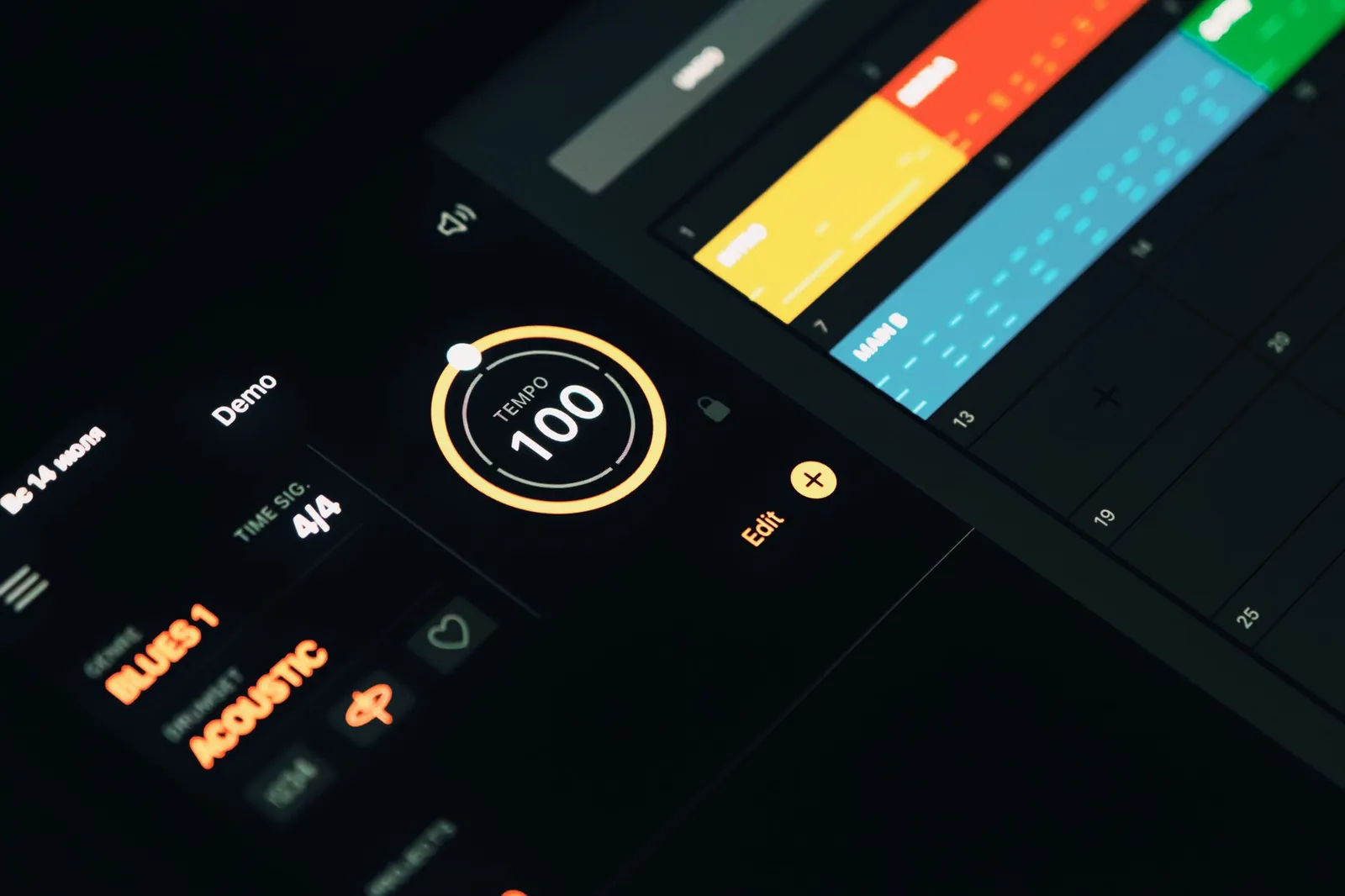
What we look at
Every audit walks the same four surfaces, in the order a player meets them. Nothing is graded on taste — only on whether it slows the player down.
Health, ammo, cooldowns, objective markers. We check what the player can read at a glance while their hands are busy, and what they only notice after they die.
Pause flow, options depth, save/load, remapping. Where the structure hides a common action three taps deep, or asks the player to confirm something they never meant to change.
Grids, loadouts, crafting, currencies. Whether a player can compare two items without leaving the screen, and whether the numbers mean anything the moment they read them.
Tutorials, prompts, empty states, the very first choice. Where new players stall, re-read, or quit before the game has shown them why to stay.
How the audit runs
No workshops, no vague deck. We play the build, mark it up, test the friction, and hand back something your team can act on the same afternoon.
We play your build the way a new player would, on the platforms you ship to. We record where we hesitate, misread, or reach for a control that isn't there.
For every serious problem we sketch a corrected version — a rearranged HUD, a flattened menu, a clearer first prompt — so the recommendation is a picture, not a paragraph.
Each surface is checked against a fixed set of interface heuristics: readability at speed, reversibility, feedback, consistency, and load on the player's memory.
You receive a written report, annotated screens, and a priority list — quick wins, structural fixes, and the two or three changes worth a sprint of their own.
Before / after
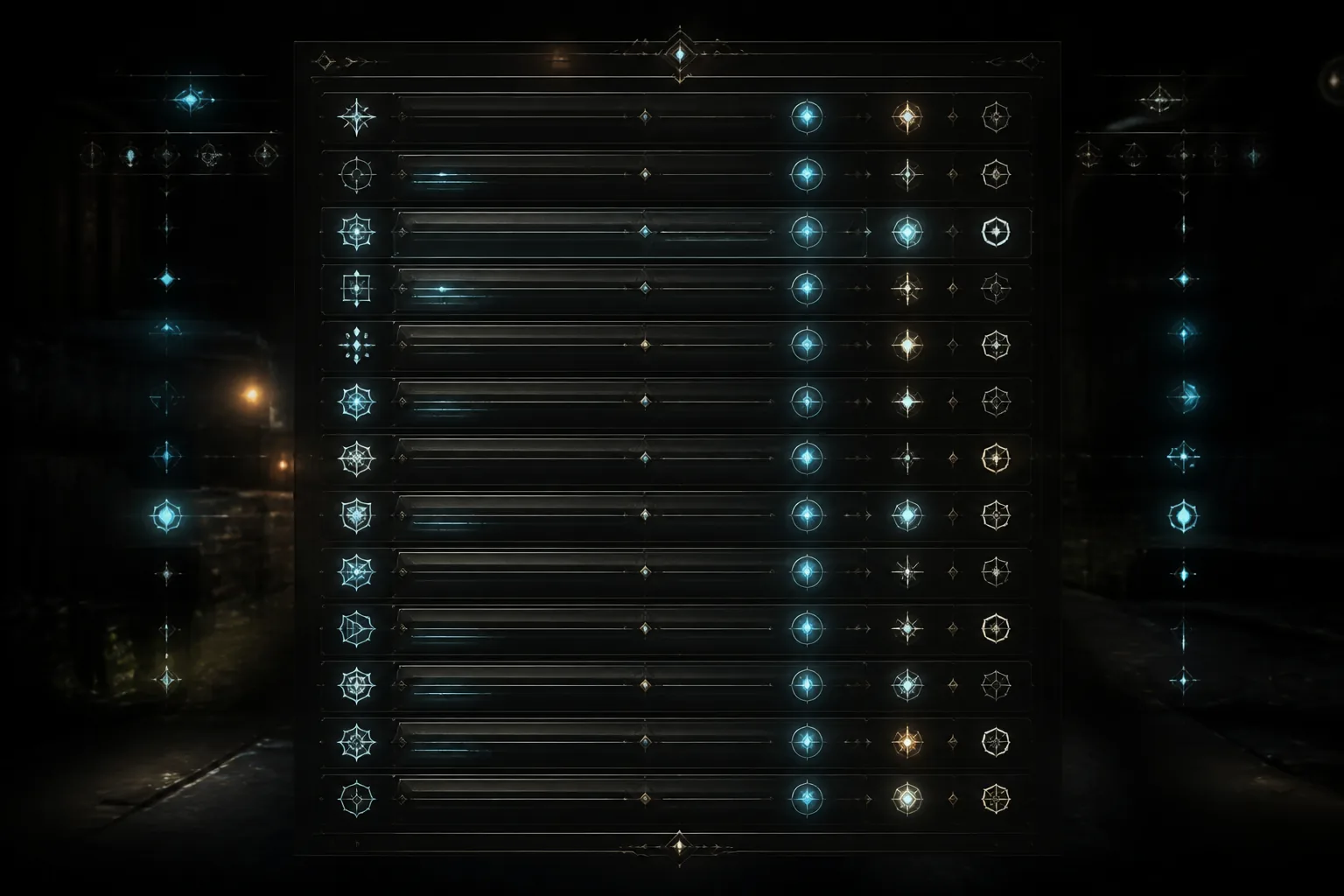
Resume, save and settings sat on the same level as eleven other options. Players scanned the whole column every time just to quit.
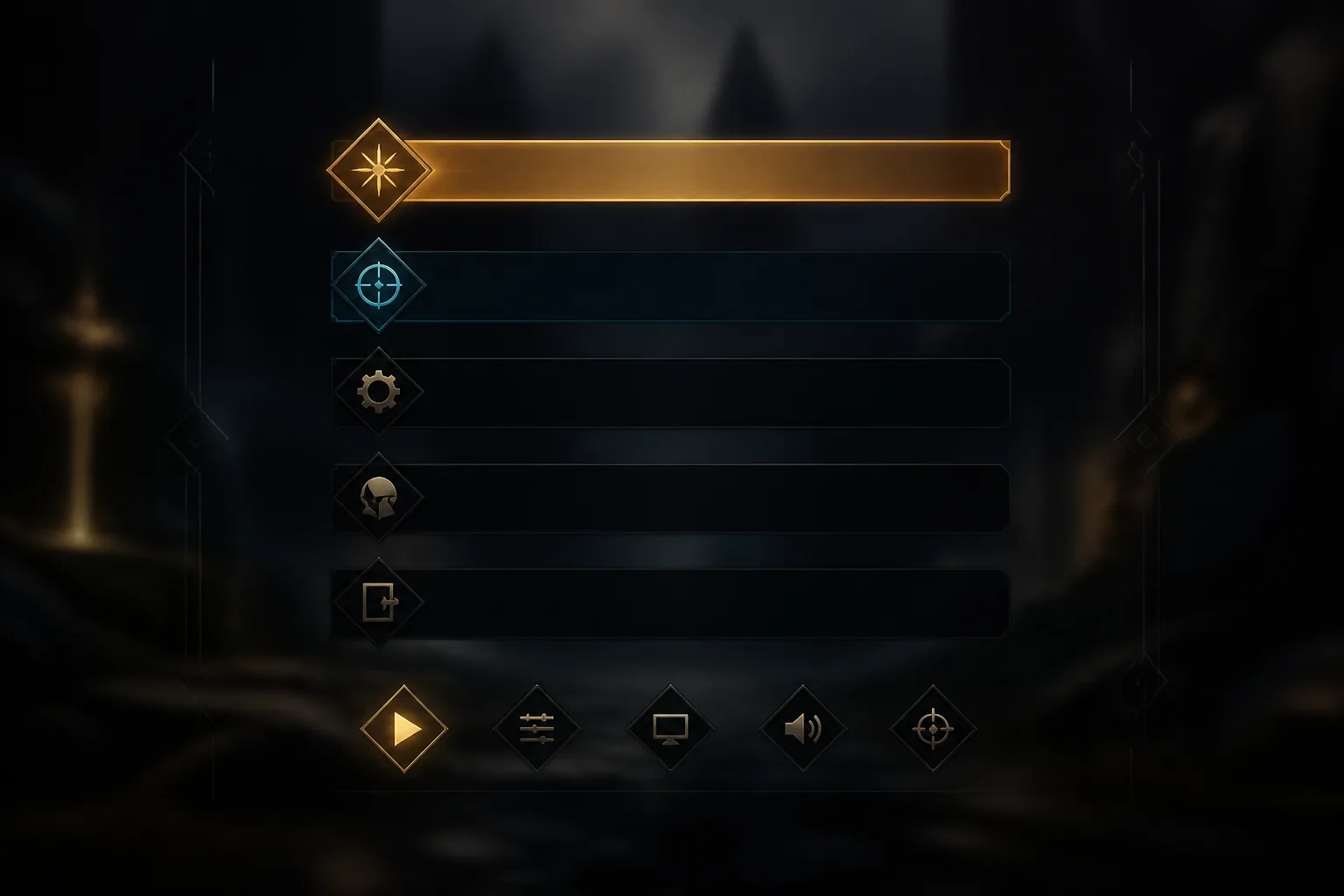
Three actions players actually use were promoted; everything else moved one layer down. Resume is now the default focus on every controller.
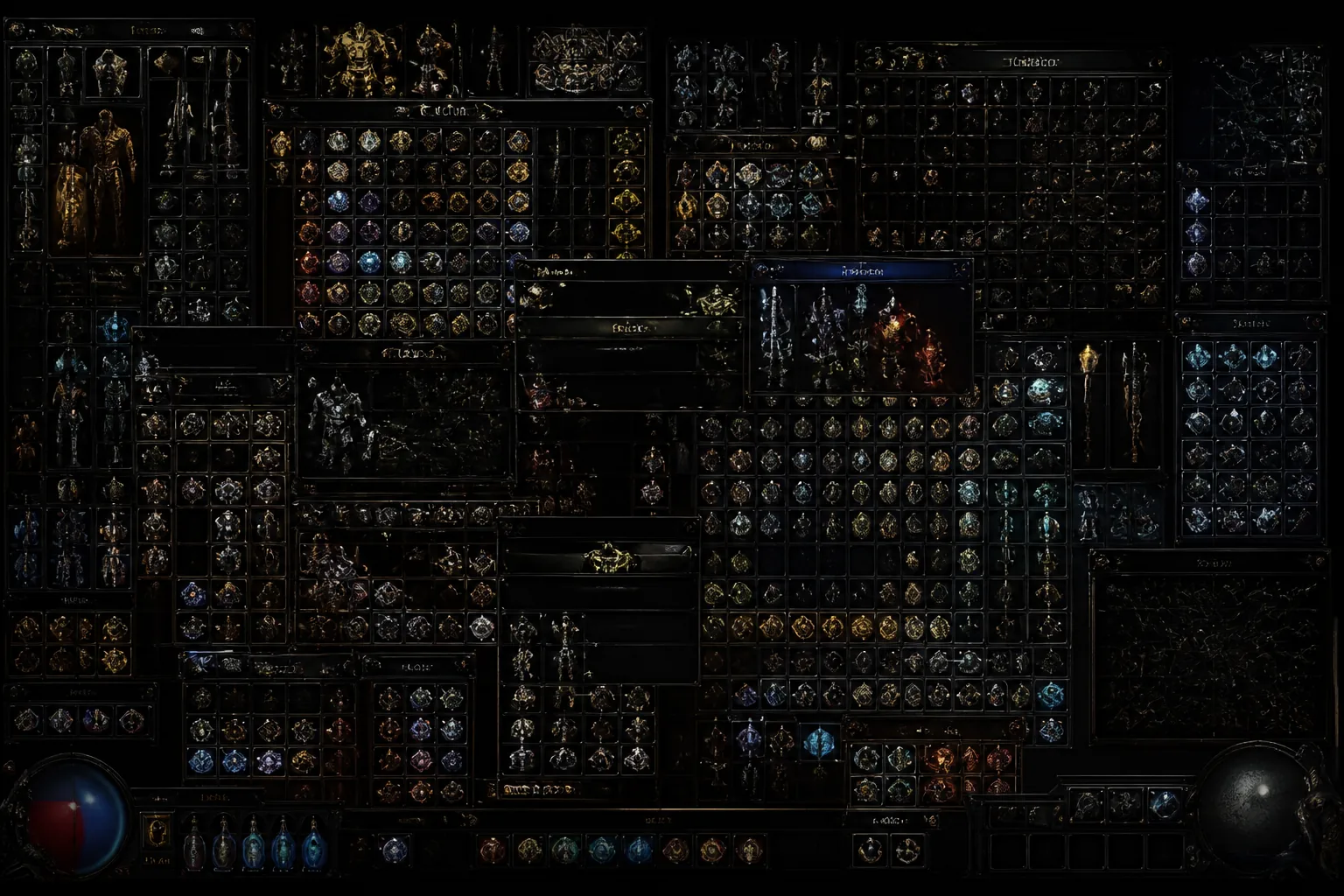
Item stats appeared only on hover, in a tooltip that covered the item next to it. Comparing two weapons meant memorising numbers.
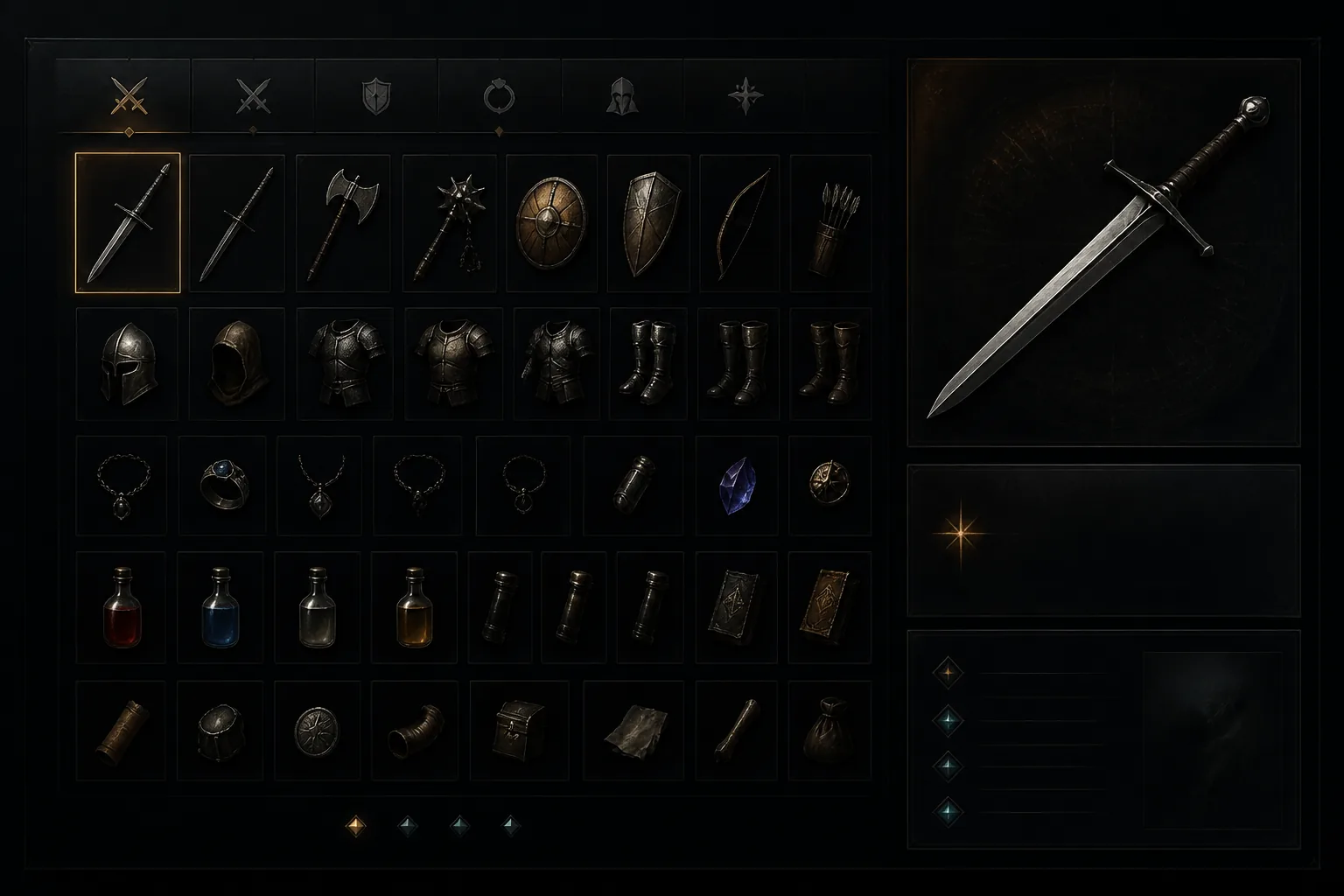
A fixed detail rail shows the selected item beside a persistent compare slot. Numbers changed to plain deltas — plus and minus, not raw values.
What lands in your inbox

A plain-language report, surface by surface, that names each problem, why it costs you players, and how severe it is. Written to be read by a designer and a producer alike.
Your own screens, marked up with numbered pins and measurement lines — the same annotation you see on this page — so every note points at an exact pixel, not a general feeling.
A ranked list that separates quick wins from structural work, with a rough effort estimate on each, so you can slot fixes into a sprint you already have.
One recorded walk-through with your team once the report lands, to answer questions and agree on what ships first. Notes from the call are added to the document.
Engagements
Start with the audit. If you'd rather we carry the fixes through, the sprint picks up where the report ends. Prices are fixed in USD; scope and payment are arranged after you send the form.
A full heuristic review of all four surfaces, delivered as a written report you keep.
The audit, plus a focused sprint where we redesign the surfaces that need it most.
Field Lab
Longer write-ups on the patterns we see most often — the small interface decisions that decide whether a player stays.

Why the best readouts disappear, and how to design a HUD that a player reads without ever looking straight at it.
Read the note →
The menu mistakes that never show up in a review score but cost you the players who bounce in the first session.
Read the note →
How to let the interface itself do the teaching, so new players learn by playing instead of by reading a wall of text.
Read the note →Questions
Start here
Tell us about the game and which engagement fits. We reply within one working day with next steps, a scheduling window and a short scope note. Payment is arranged after that — we never take card details in this form.